Lesson 3 of 7 · 10 min
Write Clearly at Work
At work, AI is most helpful before the words feel finished. It can turn rough facts into a draft, shorten something rambling, or reshape the same information for a different audience.
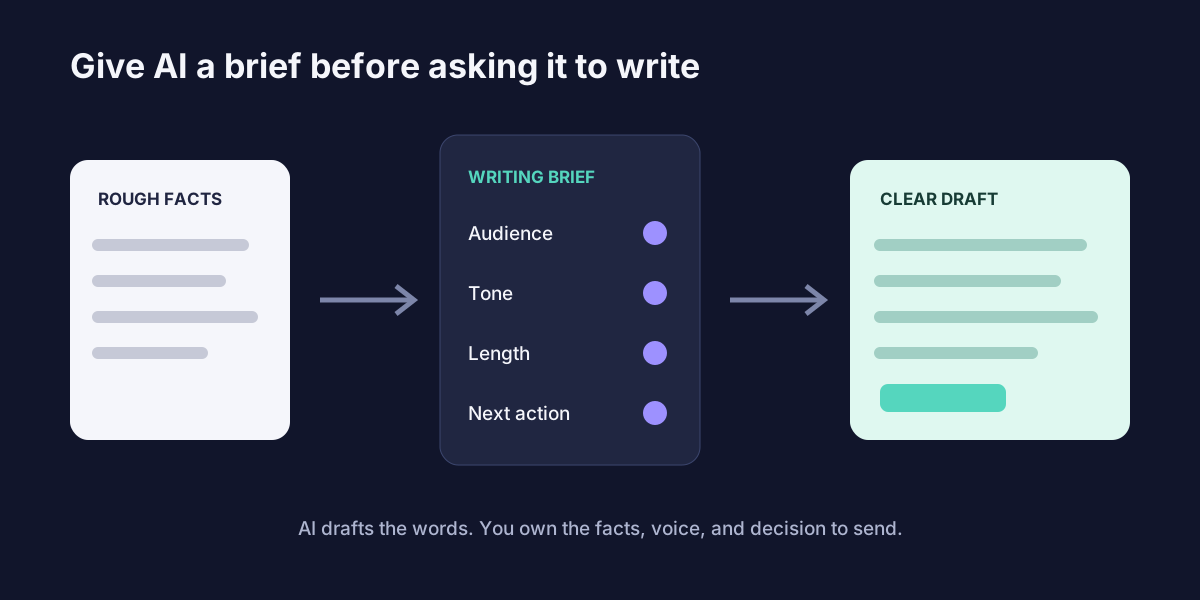
Give it a writing brief
Before asking AI to write, decide four things:
- Audience: Who will read this, and what do they already know?
- Tone: Direct, warm, diplomatic, confident, or something else?
- Length: A short chat message, an email, bullets, or a document outline?
- Action: What should the reader know or do next?
Then provide the facts that must remain true.
Draft, do not delegate your voice
Suppose a project update is late. “Write an email about the delay” leaves AI to invent the audience, tone, cause, and next step.
A better brief is:
Draft an email to a cross-functional partner. Explain that the project update will arrive next Thursday because two required inputs came late. Keep the tone calm and direct, avoid assigning blame, and ask them to confirm whether the revised date affects their launch plan. Keep it under 120 words.
Read the result aloud. Remove phrases you would never say. Check that it did not add promises, causes, names, or dates you did not provide.
Use the same method for longer work
For a document or presentation, ask for structure before prose:
Create a six-section outline for an internal proposal. The audience knows the problem but has not agreed on a solution. Give each section a takeaway heading, the evidence it needs, and one question the section must answer. Do not write the full proposal yet.
Outlines are easier to correct than polished pages built on the wrong story.
Before the next lesson
Use the practice lab to create a writing brief. Copy it into your approved workplace AI tool with a non-sensitive example, review the draft, and make at least one change that restores your voice.
Give AI a brief before asking it to write
Choose the audience, tone, length, and next step. The lab turns your choices into a reusable prompt.
Rewrite the source note as a message to a close teammate. Use a warm and direct tone and keep it under 80 words. The reader should confirm the revised deadline. Preserve the facts and do not assign blame. Source note: The project update will be one week late because two inputs arrived after the agreed date. The new draft will be ready next Thursday.